
Kidney Transplant in Lucknow
A kidney transplant is one of the most effective treatment options for people with end-stage kidney disease. It can restore kidney function, improve quality of life, and reduce dependence on dialysis. Dr. Suresh Singh provides comprehensive kidney transplant evaluation, donor assessment, pre-transplant optimization, and long-term post-transplant care for eligible patients in Lucknow. The focus is on delivering safe, evidence-based treatment tailored to every patient's needs.
What is a Kidney Transplant?
A kidney transplant is a surgical procedure in which a healthy kidney from a living or deceased donor is transplanted into a patient whose kidneys can no longer function adequately.
It is considered the preferred treatment for many patients with end-stage kidney disease because it can improve survival, restore kidney function, and enhance overall quality of life.
Successful transplantation requires careful evaluation, expert coordination, and lifelong follow-up care.
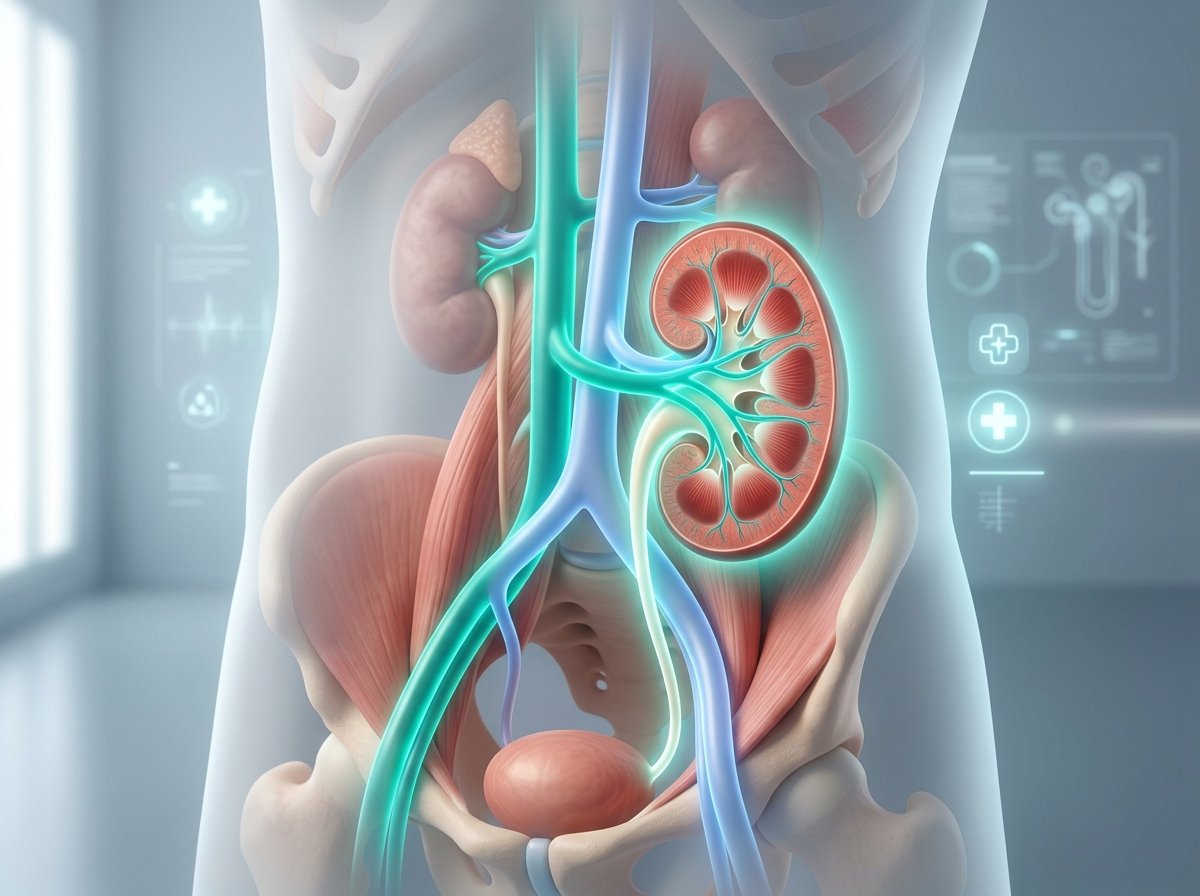
Types of Kidney Transplant
Who May Need a Kidney Transplant?
Patients may be evaluated for kidney transplantation if they have:
Who May Need a Kidney Transplant?
End-stage kidney disease (ESKD)
Advanced Chronic Kidney Disease (Stage 5 CKD)
Long-term dialysis dependence
Rapidly declining kidney function
Severe diabetic kidney disease
Polycystic kidney disease
Chronic glomerular diseases
Congenital kidney disorders
Signs You May Need a Kidney Transplant
Kidney failure
Very low eGFR
High creatinine levels
Long-term dialysis
Persistent swelling
Severe fatigue
Loss of appetite
Difficulty controlling blood pressure
Reduced urine output
Kidney Transplant Procedure
Kidney transplantation involves a structured, evidence-based process that begins with initial consultation and evaluation, progressing systematically through donor assessment, surgical transplantation, recovery, and lifelong follow-up care.
Book AppointmentStep 1
Initial Consultation
The transplant journey begins with a detailed consultation to understand your medical history, kidney condition, current treatment, and overall health status.
Step 2
Comprehensive Kidney Evaluation
A comprehensive evaluation is performed to assess kidney function and determine whether kidney transplantation is an appropriate treatment option.
Step 3
Donor Compatibility Assessment
The potential donor is evaluated for medical suitability and compatibility with the recipient, including appropriate blood group and other necessary transplant-related assessments.
Step 4
Pre-Transplant Preparation
Once the evaluation is complete, the patient undergoes necessary medical preparation and optimization before the transplant procedure.
Step 5
Kidney Transplant Surgery
The donor kidney is surgically transplanted into the recipient following the appropriate medical and surgical protocols, with close monitoring throughout the procedure.
Step 6
Recovery & Long-Term Follow-up
After transplantation, regular follow-up and monitoring help assess kidney function, manage medications, prevent complications, and support long-term transplant health.
Kidney Transplant Evaluation & Benefits
Before transplantation, every patient undergoes a detailed evaluation that may include:
Kidney Transplant Evaluation
Before transplantation, every patient undergoes a detailed evaluation that may include:
Medical history
Physical examination
Kidney function tests
Blood investigations
Urine analysis
Blood group testing
Tissue matching
Infection screening
Cardiac evaluation
Imaging studies
Donor assessment
Benefits of Kidney Transplant
Long-term clinical and quality-of-life benefits:
Improved quality of life
Better long-term survival
Greater independence from dialysis
Improved energy levels
Better dietary flexibility
Enhanced overall health
Ability to return to daily activities
Improved physical well-being
Why Choose Dr. Suresh Singh for Kidney Transplant in Lucknow?
Dr. Suresh Singh
MBBS (KGMU), MD (Internal Medicine), DM (Nephrology) • Consultant Nephrologist & Kidney Transplant Physician in Lucknow
Comprehensive kidney transplant evaluation
Experience with ABO-compatible and ABO-incompatible transplant care
Expertise in deceased donor transplant management
Personalized treatment plans
Advanced nephrology care
Long-term transplant follow-up
Evidence-based treatment approach
Compassionate patient-centered care
The doctor's profile indicates experience with ABO-compatible, ABO-incompatible, and deceased donor kidney transplantation, along with nephrology and transplant practice in Lucknow.
Recovery After Kidney Transplant
Recovery is a gradual process that requires regular follow-up visits, medications to prevent rejection, routine blood tests, healthy lifestyle modifications, and close monitoring of kidney function.
Following your nephrologist's recommendations is essential for maintaining the health of the transplanted kidney.
Frequently Asked Questions
Clear answers to common questions about kidney transplant procedures, eligibility, and post-transplant recovery.
Kidney transplantation is considered one of the most effective treatments for eligible patients with end-stage kidney disease. Success depends on factors such as overall health, donor compatibility, adherence to medications, and regular follow-up care.
A living donor may be a close family member or another medically suitable donor. Kidneys may also be received through deceased donor organ donation programs, subject to eligibility and allocation guidelines.
For many eligible patients, a kidney transplant offers improved quality of life and greater independence compared with long-term dialysis. However, the most appropriate treatment depends on each individual's medical condition and transplant suitability.
Recovery varies from person to person. Most patients require several weeks for initial recovery, followed by ongoing monitoring and lifelong transplant care.
Age alone does not determine eligibility. A detailed medical evaluation is performed to assess whether kidney transplantation is appropriate based on overall health and fitness.
Patients should take prescribed medications regularly, attend follow-up appointments, maintain good hygiene, eat a balanced diet, stay physically active as advised, and promptly report any signs of infection or unusual symptoms to their healthcare team.