High creatinine levels mean your kidneys are struggling to filter waste from your blood, or that your body is producing extra creatinine due to dehydration, diet, or supplements.
Can You Lower Creatinine Naturally?
It could be, but only if there is a cause for high creatinine.
For example, dehydration, recent sickness, heavy exercise, or something else can affect the test results, and after dealing with the cause, your creatinine levels might drop. The case of damage to your kidneys is different: here, the emphasis will be placed on preserving the healthy parts and avoiding complications.
Lower creatinine does not mean that your kidneys have returned to normal yet. Other parameters like eGFR, urine protein, blood pressure, and others are taken into account by your doctor.
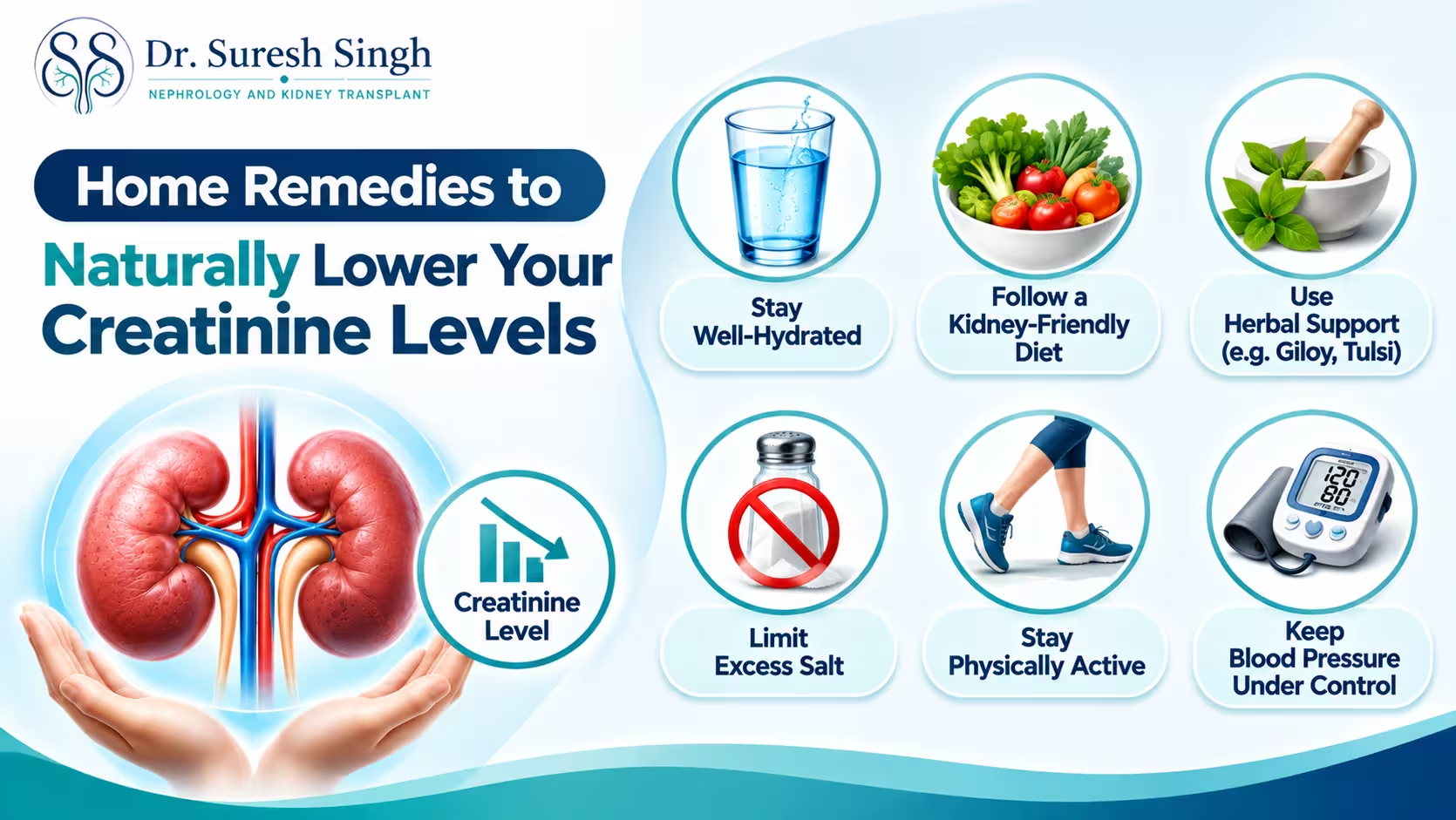
Home Remedies and Daily Habits That May Help
There is no drink or kitchen ingredient that can clean the kidneys or bring creatinine down overnight. The following steps are useful ways to support kidney health, but they should be adjusted to a person's test results and medical condition.
1. Drink the Right Amount of Water
A lack of hydration causes an increase in creatinine concentration in the blood because of its increased concentration and less volume of fluid reaching the kidneys.
In case dehydration is the cause, replenishing lost liquids will help. However, having additional glasses of water will not affect the function of kidneys that have already been affected.
Individuals with renal disease at an advanced stage, heart failure, edema, and low output of urine should reduce their intake of liquid because of the danger of fluid accumulation in the body.
Thus, one should not stick to certain norms of water consumption like three or four liters daily. It all depends on kidney function, urine output, and other diseases.
2. Make Some Changes to Your Daily Diet
Food does not directly wash creatinine out of the blood. However, eating well can help manage blood pressure, blood sugar, and other problems that affect the kidneys.
A few changes may be useful:
-
Eat less red and processed meat: Large portions of meat can increase the amount of creatinine produced in the body. Processed meat also tends to contain a lot of salt.
-
Include plant-based protein: Dal, beans, lentils, and tofu can be part of a balanced diet. The amount should still match the person's kidney condition.
-
Cut down on salt: Too much salt can raise blood pressure and worsen fluid retention. Reduce packaged snacks, instant foods, pickles, and heavily salted meals.
-
Add fibre-rich foods: Vegetables, fruits and whole grains can support digestion and overall health. Choose them according to potassium and phosphorus levels if kidney function is low.
-
Avoid unnecessary protein supplements: Protein powders and high-protein shakes may not be suitable for people with kidney disease.
A person with kidney disease should not suddenly stop eating protein. The body needs protein to maintain muscles and repair tissues. Too little can lead to weakness and poor nutrition. A kidney dietitian can help decide how much is appropriate.
3. Be Careful With Foods High in Potassium and Phosphorus
Individuals frequently receive advice to eat fruits and veggies because they are healthy for the kidneys and then begin consuming huge amounts of them. Advanced renal diseases can complicate the process of potassium and phosphorus elimination from the body.
The excess potassium may influence heart activity, while excess phosphorus may affect the bones and vessels.
This does not mean that all individuals with increased creatinine should stop eating bananas, oranges, tomatoes, potatoes, nuts, and dairy products. It is important to consult with a physician to know what kind of foods should be restricted.
It depends on the results of laboratory tests and the stage of renal pathology.
4. Avoid Creatine and Unchecked Gym Supplements
Creatine supplements are often used by people who do physical exercise and wish to build muscle. Creatine is turned into creatinine in the body, so using such supplements increases the creatinine level.
Bodybuilding products may also include substances that might not be appropriate for people with kidney diseases.
If your creatinine level is high, let your doctor know about all the supplements that you use. Don’t think that just because something is labeled as natural or sports-related, it is safe to use.
5. Do Not Overdo Exercise
Regular physical exercise is beneficial for overall health and is also helpful in managing high blood pressure, blood glucose, and weight issues.
On the contrary, high-intensity exercise can cause a temporary increase in the levels of creatinine due to increased breakdown of muscles from hard exercise, which might affect the results of the blood tests.
Activities such as walking, mild cycling, or stretching exercises could be suitable for some people. The type of exercise would depend on the health and kidney conditions of the individual.
6. Be Careful With Painkillers
Some pain relievers can cause reduced blood flow to the kidneys, resulting in further harm, especially in those with existing kidney problems and dehydrated individuals.
These are non-steroidal anti-inflammatory drugs (NSAIDs) like ibuprofen and naproxen. They are readily available as over-the-counter drugs.
It is advisable not to consume these drugs without medical consultation. Should there be any medicine prescribed, consult your physician before discontinuing the drug.
7. Keep Blood Pressure and Blood Sugar Under Control
High blood pressure and diabetes can lead to gradual destruction of tiny blood vessels in the kidney. This explains why individuals with such problems should have their kidney function evaluated on a regular basis.
Take medications according to prescription and check blood pressure as well as glucose as directed by your doctor. Do not discontinue blood pressure or diabetes medications simply because of a change in creatinine value.
The control of these diseases may prevent additional kidney damage even if there is no immediate improvement in creatinine value.
8. Stop Smoking and Limit Alcohol
Smoking can damage the blood vessels and make it difficult to manage blood pressure levels. This can contribute to the chances of developing kidney disease.
Alcohol can affect blood pressure levels and cause dehydration. You should therefore quit smoking and reduce or avoid drinking alcohol.
If you have been diagnosed with kidney disease, consult your physician on whether you need to abstain from drinking alcohol.
Which Foods May Help Manage High Creatinine?
There is no particular food that directly removes creatinine from the blood. The better approach is to choose meals that support blood pressure, blood sugar, and overall kidney health.
|
Food choices |
How they may help |
|
Apples and berries |
Provide fibre and can fit into many kidney-friendly meal plans. |
|
Cabbage and cauliflower |
Offer fibre and vitamins. |
|
Rice and oats |
Can provide energy and fibre, depending on the type and portion. |
|
Dal and beans |
Provide plant-based protein, but the amount may need adjustment in kidney disease. |
|
Fresh home-cooked meals |
Make it easier to control added salt and processed ingredients. |
This is a general guide, not a diet plan for every kidney patient. Someone with high potassium may need different fruit and vegetable choices from someone whose potassium levels are normal. People on dialysis may also have different protein needs.
What Is the Best Medicine to Reduce Creatinine?
There is no one-size-fits-all drug for those with elevated creatinine. The approach depends on the cause of elevated creatinine.
In case:
-
If dehydration is the cause, the doctor will suggest proper rehydration.
-
If there is an infection that is compromising the kidney’s function, it should receive the appropriate therapy.
-
If the drugs taken have caused elevated creatinine, then the doctor should reassess the dosage or try other alternatives.
-
When diabetes or hypertension has caused injury to the kidneys, medications are prescribed to manage these diseases to preserve kidney function.
Some individuals seek medication for elevated creatinine. However, just to reduce the lab value by means of taking the tablets is not the correct thing to do. Avoid herbal preparations, powders, tonics, or any non-prescription medication to reduce the level.
How to Lower Creatinine Overnight: Is It Possible?
A long-term reduction in creatinine is not guaranteed to happen right away. In cases where dehydration or some other transient problem was responsible for the increase in creatinine levels, treatment might help. However, once the kidneys lose their functionality, no risk-free way exists to restore their capabilities in just a few hours.
Excessive intake of water, fasting, abstaining from protein in food, and using unproven supplements before another blood sample can be potentially dangerous and misleading at the same time.
When you notice that your creatinine level has increased abruptly, consult your physician right away.
How to Control Creatinine After Dialysis?
Dialysis takes away wastes from the blood, including creatinine. It goes up after each session because the body produces more creatinine due to the normal functioning of muscles.
Individuals undergoing dialysis need to adhere to the schedule provided by the kidney specialist. It is advisable not to miss any of the sessions or cut them to fit into your daily activities.
Recommendations regarding food and fluids are also critical. It might be recommended to avoid excess intake of salt, fluids, potassium or phosphorus according to urine production and blood test results. People undergoing dialysis might require more protein than individuals with kidney disease not going through dialysis.
The objective is to maintain good health between sessions, not to target a specific creatinine value.
What Should You Do When Creatinine Is High?
First, find out whether the increase is new or has been there for a while. The doctor will repeat the blood test and check the eGFR, albumin in the urine, and blood pressure, among others.
The doctor might inquire if you have had any fever, vomiting, diarrhea, decreased urination, physical activity, use of supplements, and medications. These facts can reveal temporary causes or conditions that need treatment.
Visit your health care provider immediately if you have high creatinine and low urination, increased swelling, difficulty breathing, vomiting, and sleepiness. Do not rely on home treatments alone.
Expert Care for High Creatinine and Kidney Problems
If your creatinine level is high, eGFR is reduced, or your urine tests show abnormalities, it is important to get the results properly evaluated.
Dr. Suresh Singh, Nephrologist in Lucknow, provides evaluation and management for kidney-related conditions, including abnormal creatinine levels, Chronic Kidney Disease (CKD), Acute Kidney Injury (AKI), kidney failure, and other kidney disorders. Rather than relying only on home remedies, identifying the underlying cause of high creatinine can help guide the most appropriate treatment and follow-up plan.
Related Treatments and Services
Conclusion
High creatinine should be explained before any home remedy is applied. Drinking the appropriate amount of water, having an appropriate diet, abstaining from toxic supplements, and managing one’s blood pressure and diabetes are ways of ensuring kidney wellness. However, these strategies cannot replace medical attention if kidney function has deteriorated.
Dr. Suresh Singh, Consultant Nephrologist and Kidney Transplant Physician in Lucknow, has been providing kidney-related medical services for more than 5 years. Anyone with a high creatinine level may visit him to find out what is causing it and what steps they may take.
Frequently Asked Questions
1. Can drinking lemon water reduce creatinine?
There is no scientific data about the effectiveness of using lemon water to reduce creatinine or cure kidney disease. Lemon water can be consumed by those who can include it in their daily routine and do not have fluid restrictions.
2. Is coconut water good for elevated creatinine?
No, because coconut water contains potassium that may accumulate in case of poor kidney functioning. You should consult your doctor before using coconut water regularly.
3. Will reducing protein consumption lower creatinine?
It may be effective for some patients if the intake of protein is too high; however, a severe reduction in its consumption may lead to muscle loss and malnutrition.
4. Can walking lower creatinine?
Walking is good for overall wellness and aids in controlling blood pressure and glucose levels. Walking cannot lower creatinine directly, but it can help in the maintenance of kidney wellness through proper exercise.
5. Is it possible for high creatinine to get back to normal levels?
It is possible if the high creatinine level is due to a short-term cause. Once the kidneys have been damaged permanently, then it is impossible to bring the creatinine levels to normal.