Kidney Health Warning Signs You Should Never Ignore
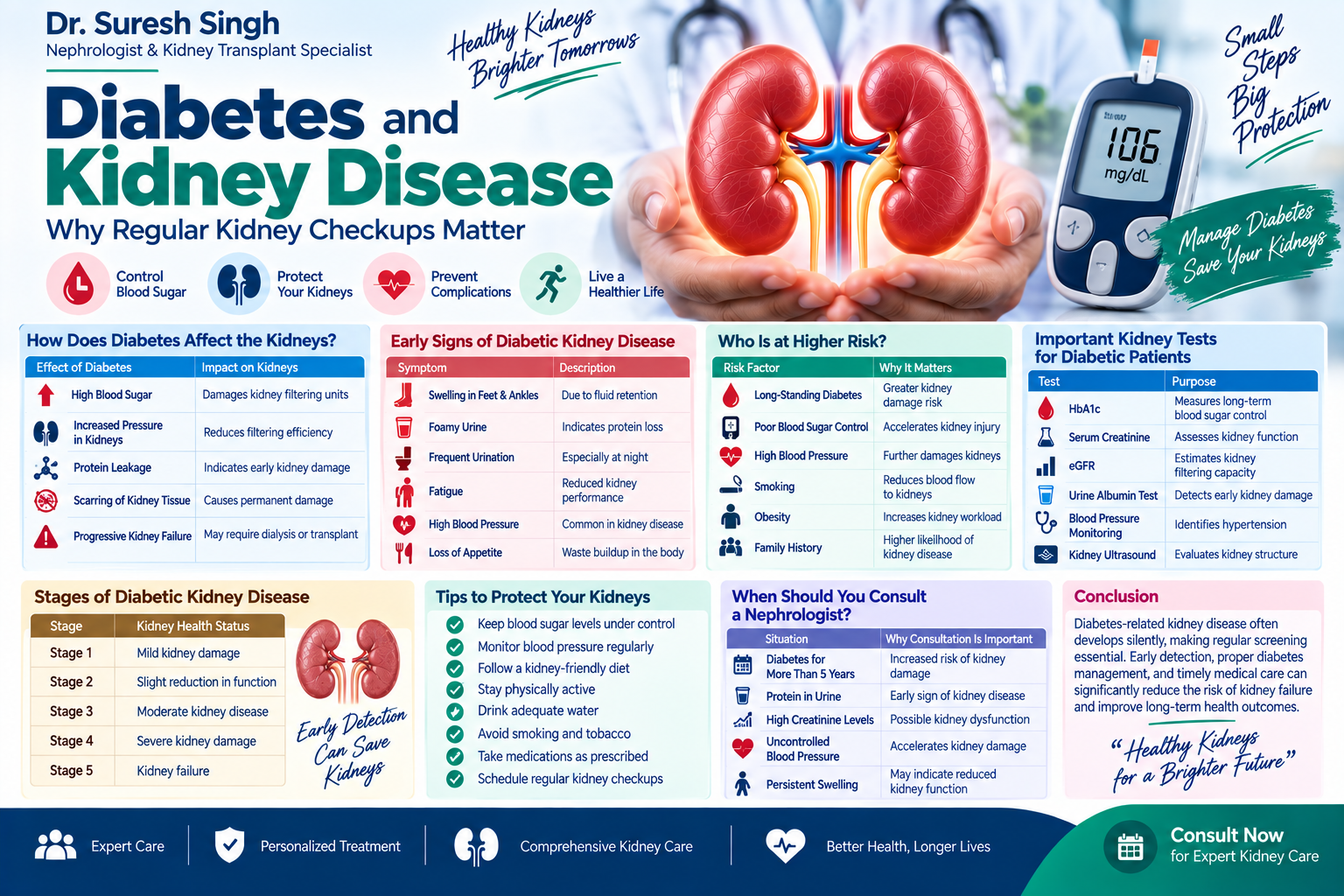
Your kidneys work silently every day to filter waste, balance fluids, regulate blood pressure, and maintain overall health. Because kidney disease often develops gradually, many people do not notice symptoms until significant damage has already occurred. Recognizing the early warning signs can help prevent serious complications and improve treatment outcomes.
What Do the Kidneys Do?
The kidneys are two bean-shaped organs located on either side of the spine. Their primary functions include:
- Filtering waste products from the blood
- Removing excess fluid through urine
- Regulating blood pressure
- Balancing electrolytes such as sodium and potassium
- Supporting red blood cell production
- Maintaining bone health
When kidney function declines, these essential processes are affected, leading to various health problems.
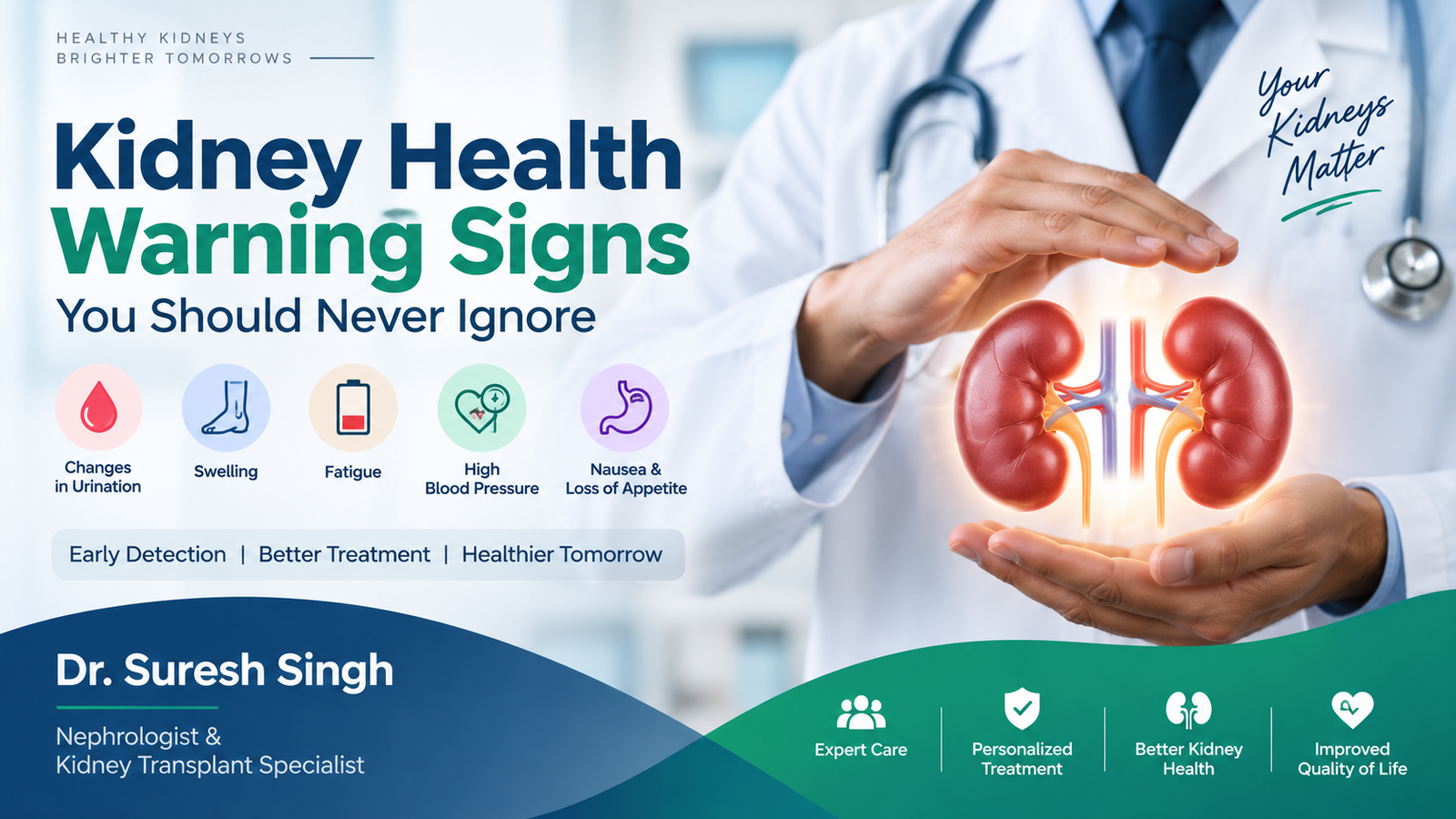
Common Warning Signs of Kidney Disease
1. Changes in Urination
One of the earliest signs of kidney problems is a change in urination patterns. You may notice:
- Frequent urination, especially at night
- Reduced urine output
- Foamy or bubbly urine
- Blood in the urine
- Difficulty passing urine
2. Swelling in the Body
Damaged kidneys may struggle to remove excess fluid, causing swelling in:
- Feet
- Ankles
- Legs
- Hands
- Face, especially around the eyes
3. Persistent Fatigue
Healthy kidneys produce a hormone that helps create red blood cells. Reduced kidney function can lead to anemia, causing:
- Constant tiredness
- Weakness
- Lack of concentration
- Reduced energy levels
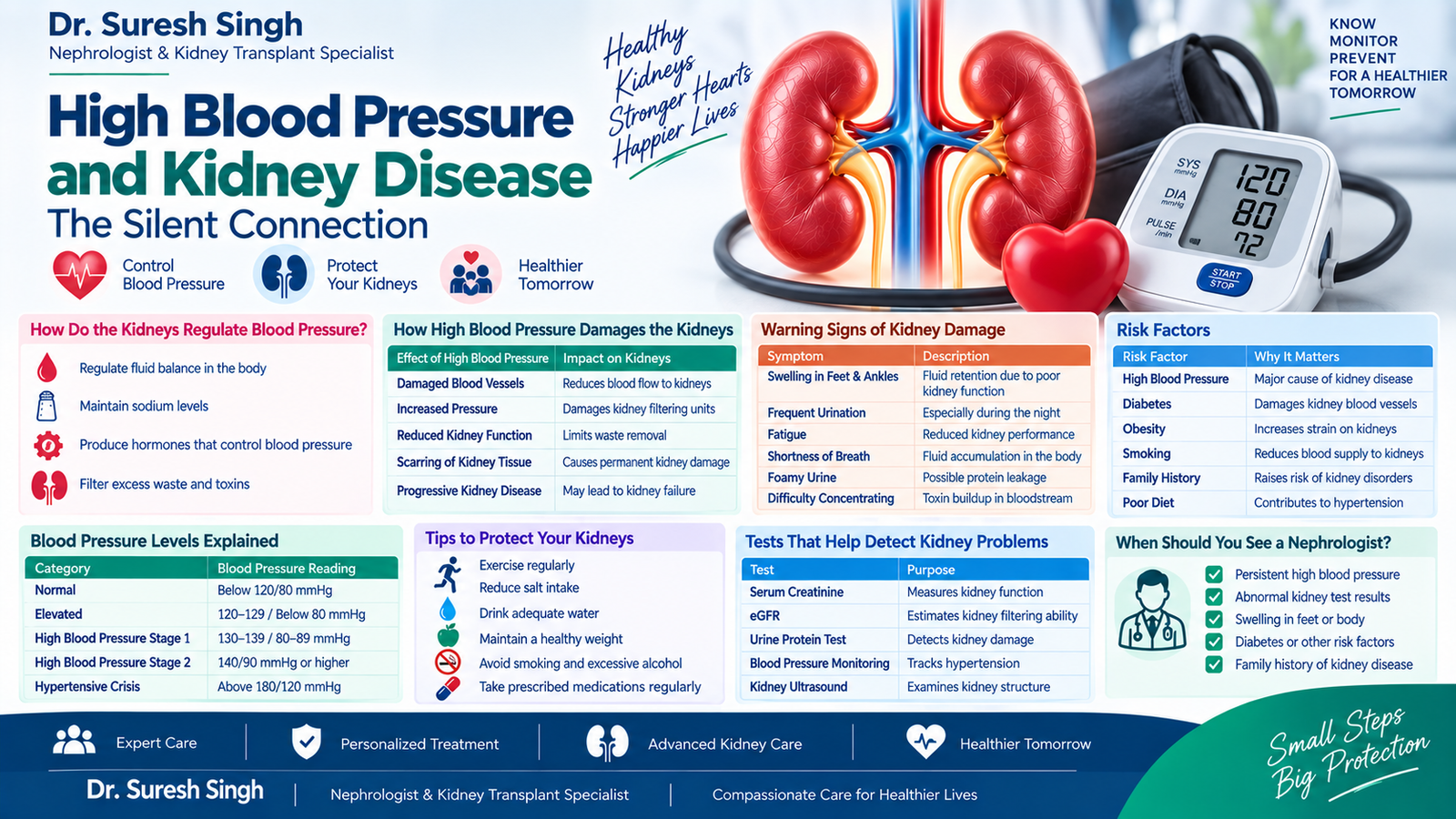
4. High Blood Pressure
Kidney disease and high blood pressure are closely connected. Uncontrolled hypertension can damage the kidneys, while kidney problems can further increase blood pressure.
5. Nausea and Loss of Appetite
When waste products accumulate in the body, patients may experience:
- Nausea
- Vomiting
- Loss of appetite
- Unexplained weight loss
6. Muscle Cramps
Electrolyte imbalances caused by kidney dysfunction may result in frequent muscle cramps and discomfort.
Who Is at Higher Risk?
You may be at increased risk of kidney disease if you have:
| Risk Factor | Impact on Kidney Health |
|---|---|
| Diabetes | Leading cause of kidney disease |
| High Blood Pressure | Damages kidney blood vessels |
| Family History | Increases susceptibility |
| Obesity | Raises risk of chronic kidney disease |
| Smoking | Reduces blood flow to kidneys |
| Heart Disease | Can affect kidney function |
How to Protect Your Kidneys
To maintain healthy kidneys:
- Stay hydrated
- Control blood sugar levels
- Monitor blood pressure regularly
- Follow a balanced diet
- Limit excessive salt intake
- Avoid unnecessary painkiller use
- Exercise regularly
- Schedule routine health check-ups
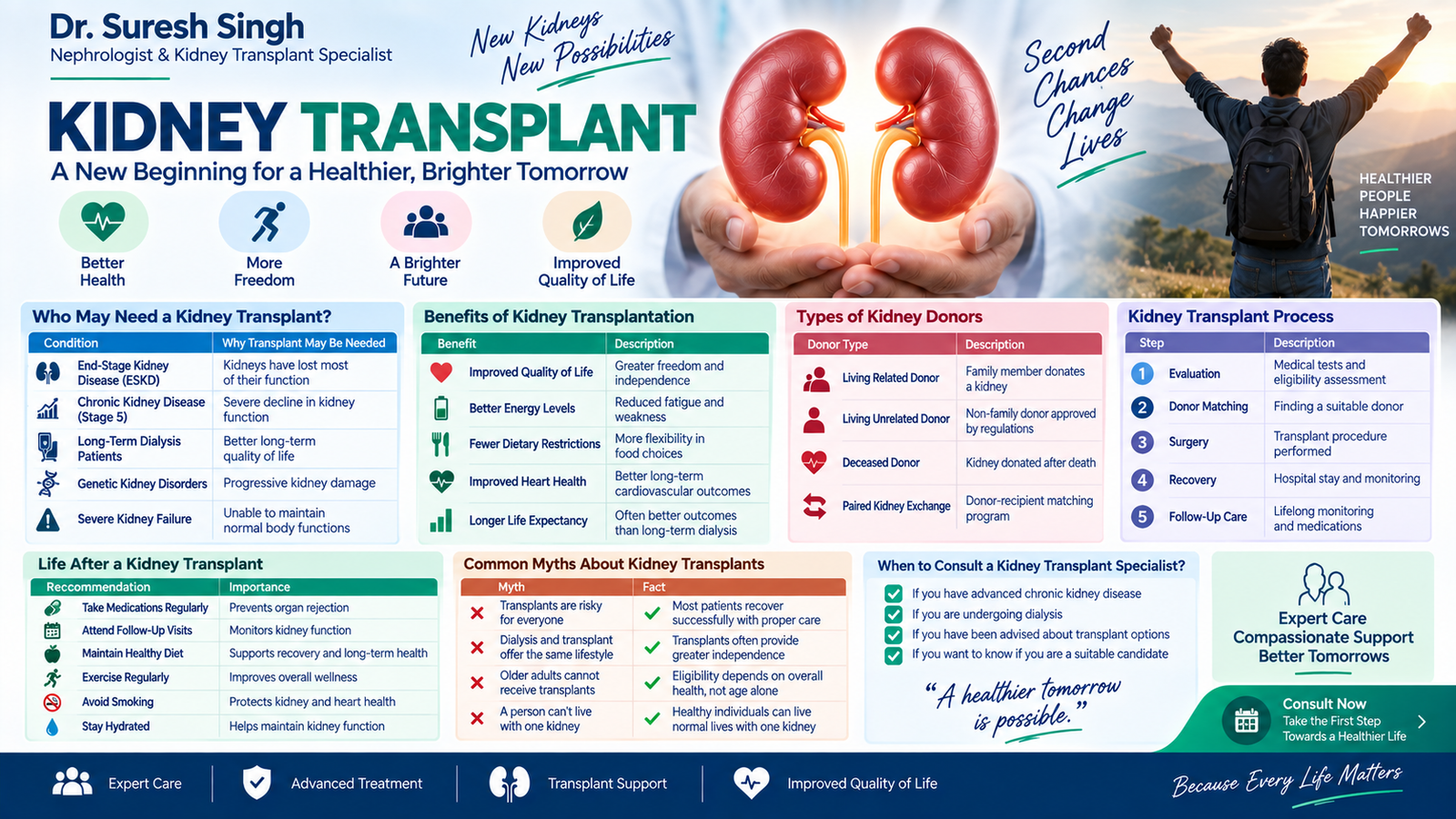
When Should You Consult a Nephrologist?
If you experience persistent swelling, changes in urination, uncontrolled blood pressure, or abnormal kidney test results, consult a kidney specialist without delay. Early diagnosis and treatment can significantly slow disease progression and improve quality of life.
Conclusion
Kidney disease often develops silently, but early warning signs should never be ignored. Regular screening, healthy lifestyle habits, and timely consultation with a nephrologist can help protect your kidney health and prevent long-term complications.
Dr. Suresh Singh, Nephrologist & Kidney Transplant Specialist, provides comprehensive evaluation, diagnosis, and treatment for a wide range of kidney disorders, helping patients achieve better kidney health and overall well-being.